
Shop by construction
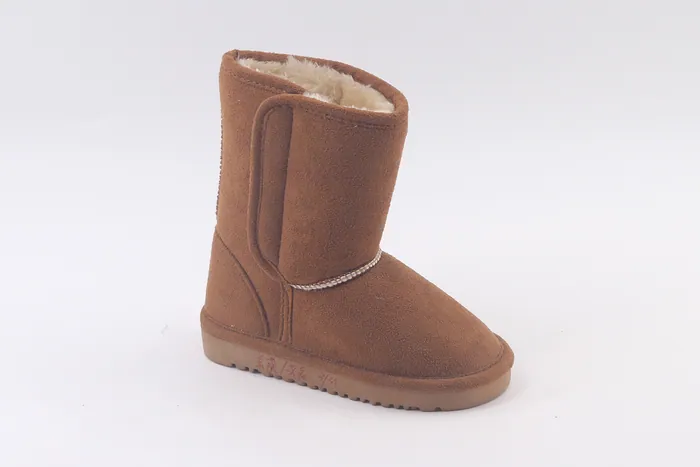
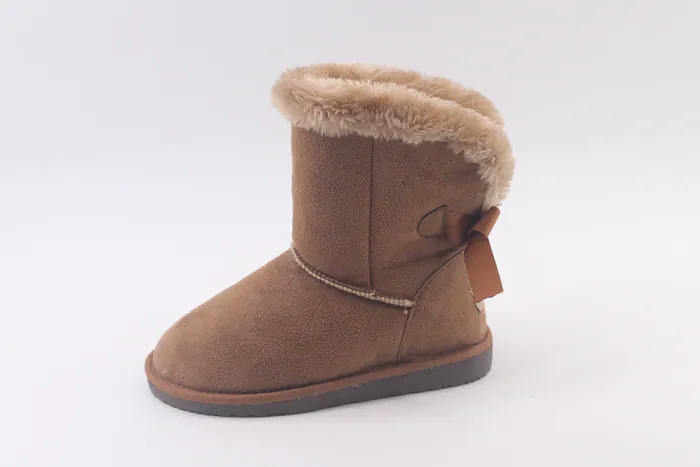
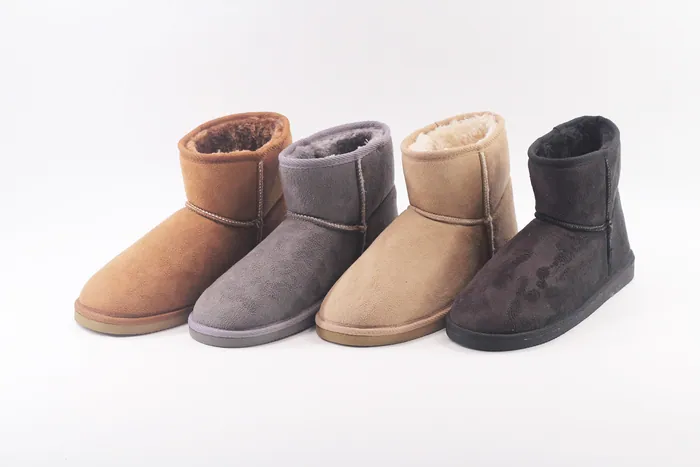
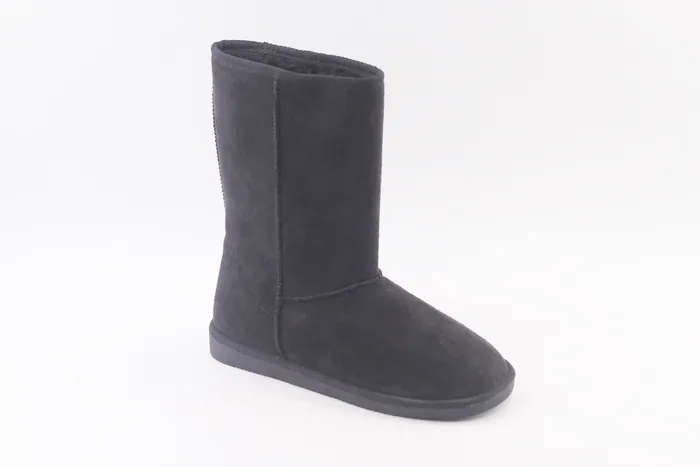
Winter & Fur-Lined Boots
Winter boots are ordered in spring and sold in October. The lining you choose decides the market you can sell into, the size you must grade, and the returns you will see.
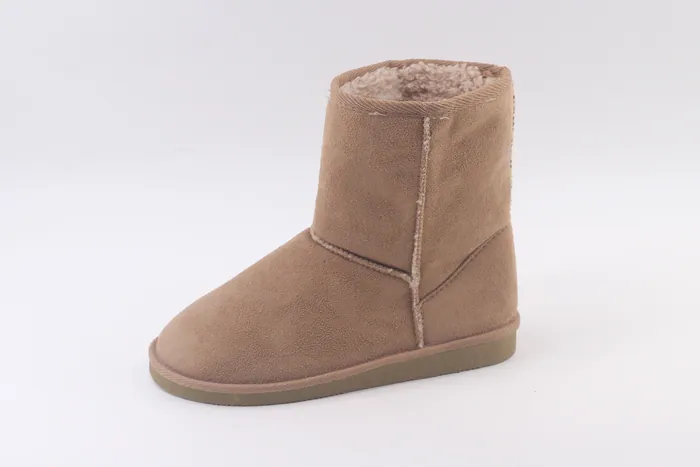
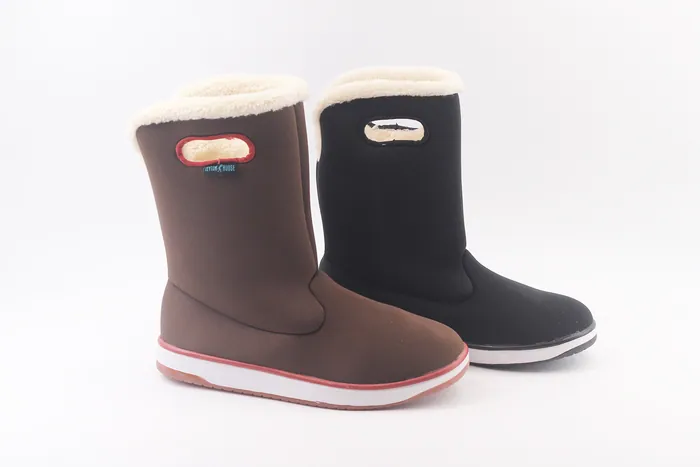
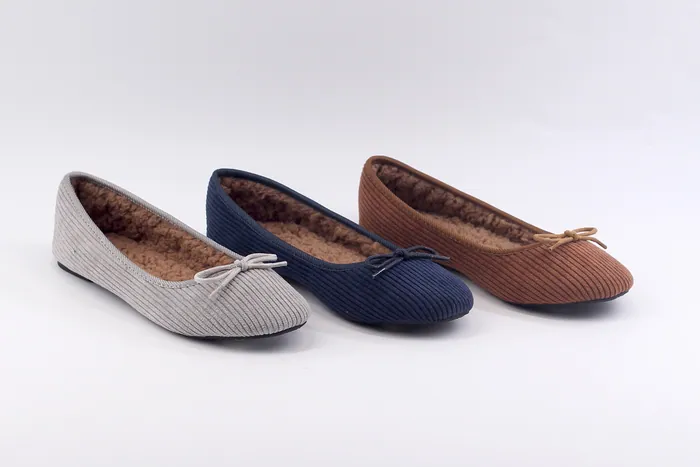
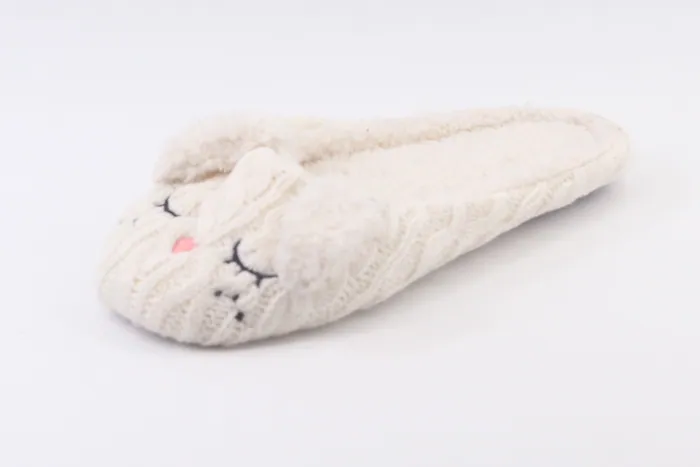
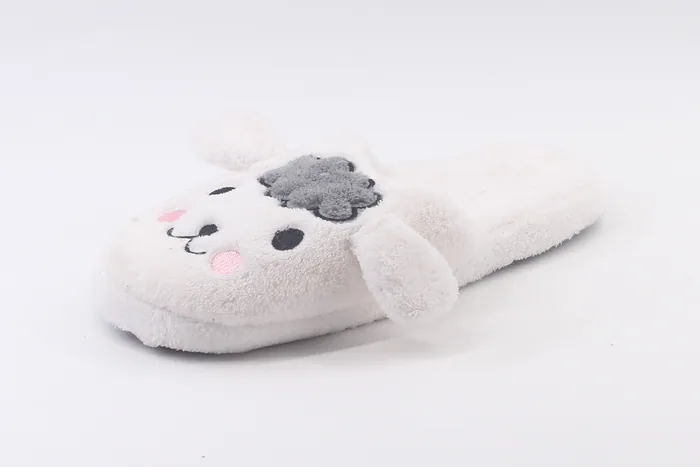
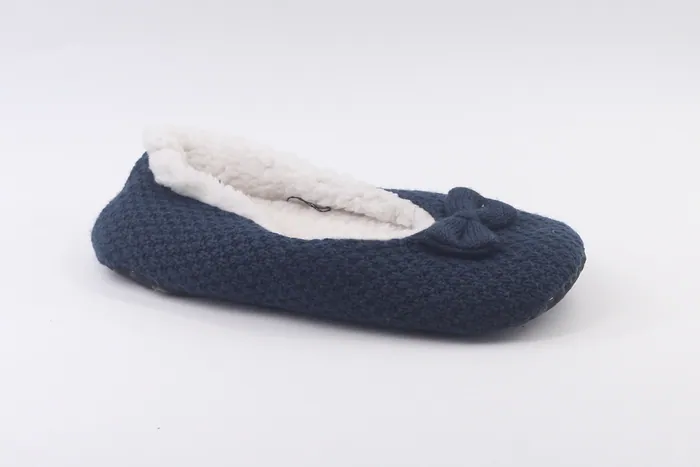
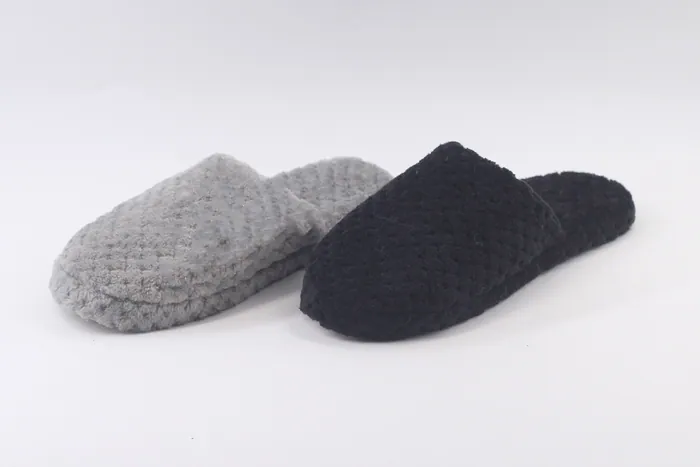
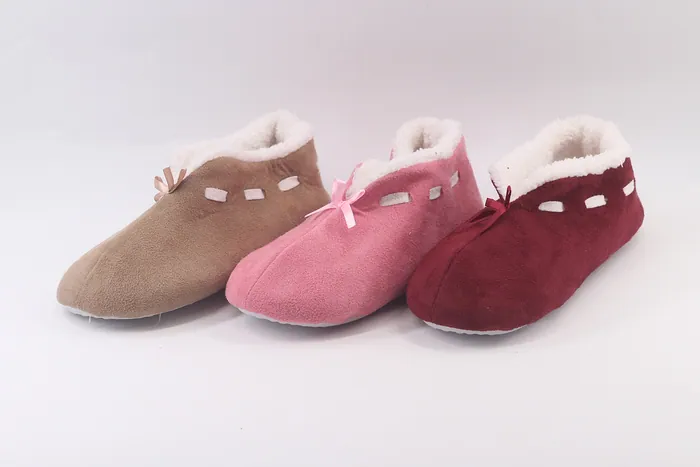
This collection is the cold-weather part of the library: fur-lined and fleece-lined boots, winter ankle boots, and the styles we would build a winter story around.
"Fur lined" is one of the least precise phrases in footwear. What follows is what it means here, so you can specify something you can actually sell.
13 styles in this collection. Ask for the complete list.
What "fur lined" means commercially
It usually means a synthetic faux-fur lining, and it is specified by pile height and by whether the fur runs through the whole boot or only the shaft and collar. A boot lined to the toe is warmer, bulkier and more expensive than one lined to the ankle.
Fleece is the cheaper, flatter option: less volume, less warmth, easier to grade. Wool-blend linings exist and cost more; if your customer is buying on warmth as a feature, say so and we will quote the options rather than assume.
Lining changes the size
A lining takes up volume inside the boot. If the last is graded as if the boot were unlined, the customer buys their normal size and cannot get their foot in — or buys a size up and finds the boot too long.
We allow for lining thickness in the last, and the allowance depends on the pile height. This is the single most common reason a winter boot comes back, and it is decided at the pattern stage, not in the factory.
What a cold market actually asks for
Shaft height that covers the ankle properly. A closure that can be done up with gloves on. A sole with real tread, in rubber rather than TPR, because TPR hardens in the cold. And a water-resistant upper, which usually means a coated material rather than a textile.
Warmth claims are a labelling question as much as a product one. If you intend to state a temperature rating on the box, the lining and the construction have to support it — and that is a test, not an opinion.
The ordering calendar
Winter boots are produced in spring and early summer. That is not a preference, it is the only way the goods reach a northern-hemisphere shelf by October with sea freight and customs in between.
It also means winter styles are the ones most exposed to Chinese New Year. If your production window lands in January or February, book it early — the factory calendar around the holiday is the tightest constraint in the whole year.
Ordering notes
Specification & terms
| Upper | PU, microfiber, suede-touch microfiber or textile |
|---|---|
| Lining | Faux fur, fleece or wool-blend, to your specification |
| Outsole | TPR as standard; rubber recommended for cold and wet markets |
| Size range | EU 36–42 women's as standard, other sizes to order |
| Shaft | Ankle, mid-calf or knee-high, to your specification |
| Packing | Your labels, hang tags, polybags, barcodes and cartons |
| MOQ | Quoted per style and per colour. Trial quantities are available for stock constructions — ask us for the exact minimum on the styles you are considering. |
| Sampling | Sample lead time and cost are confirmed with your quotation. Sample cost is normally credited against a confirmed bulk order. |
| Lead time | Confirmed on the order acknowledgement, after sample approval and deposit. Peak season and Chinese New Year need earlier booking. |
| Port | Ningbo / Shanghai, China |
What to send us
Style codes, quantities per style and colour, your market, your target retail price and the date you need the goods. If you are matching a material, send a swatch or a close-up photograph.
Next step
Building a winter range?
Tell us the market, the coldest month your customer will wear them, and the retail price point. We will quote the lining and the sole to match.