
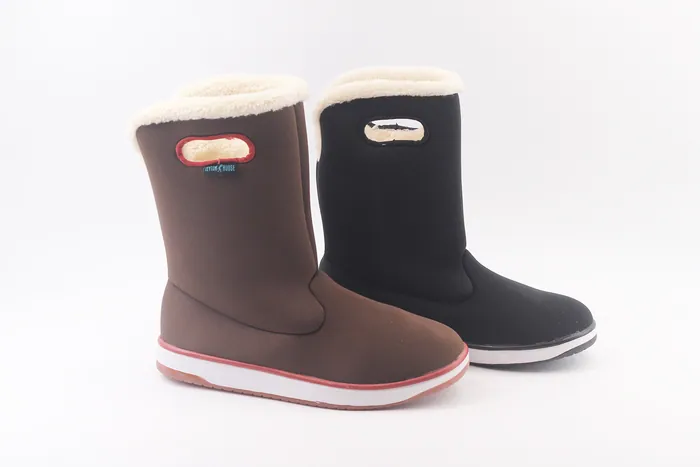
Shop by construction
Rubber-Sole Shoes
Rubber costs more than TPR and does more. It stays flexible in the cold, grips on wet ground and resists abrasion — which is why it belongs on the styles your customer wears hard.
Most of our range is quoted on TPR because TPR is the sensible default: light, cheap, mouldable and good enough for a fashion shoe worn indoors and on dry pavement.
This collection is the exception list — the styles built on rubber, and the ones where we would recommend switching to it.
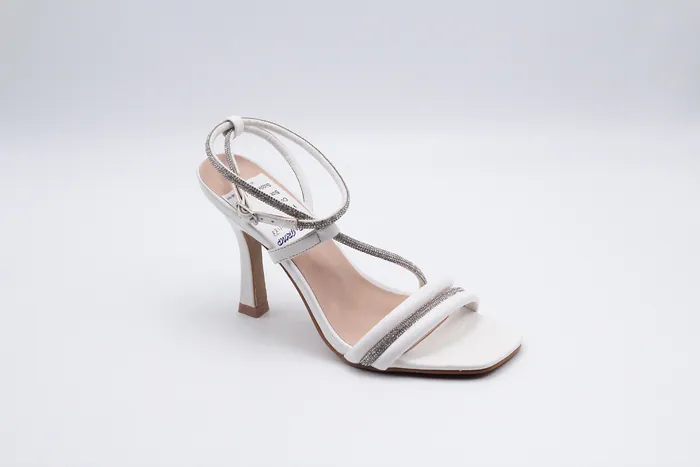
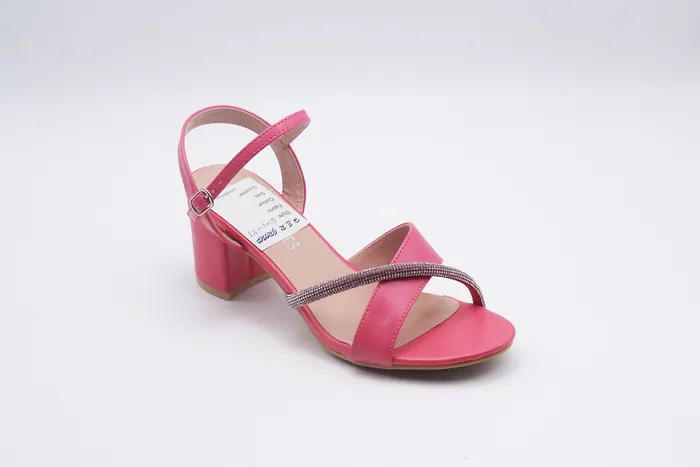
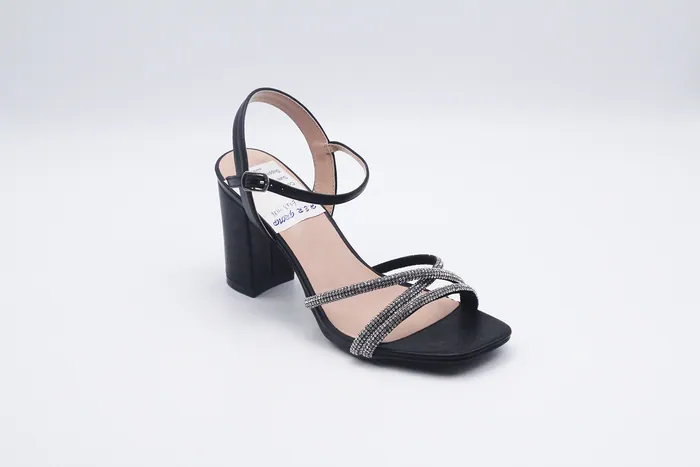
28 styles in this collection, showing the first 15. Ask for the complete list.
Rubber, TPR and EVA — the short version
TPR (thermoplastic rubber) is moulded and re-meltable. It is cheap to tool, light, and perfectly adequate for fashion footwear. It is also harder and less grippy than rubber, and it gets stiffer as the temperature drops.
Rubber is vulcanised rather than melted. It grips better wet, stays flexible in the cold, and takes abrasion. It costs more and it weighs more. EVA is the lightweight foam option — soft, very light, poor abrasion resistance, best on slippers and on styles where weight is the whole selling point.
When rubber earns its cost
Wet markets. If your customer is in the UK, Ireland, the Netherlands or anywhere with a real autumn, a rubber outsole is not a luxury — it is the difference between a shoe that feels safe on a wet pavement and one that does not.
Cold markets, because TPR stiffens below freezing and a stiff sole slips. Children's styles, because the wear is harder and the safety expectation is higher. And any style with a workwear-adjacent look, where a customer will judge the sole by eye before they judge anything else.
What to specify
Hardness on the Shore A scale, the tread pattern (a reference photo is enough), the colour, and the bonding method. Then say whether the shoe needs to pass a slip-resistance requirement in your market.
That last point matters more than buyers expect. Do not put "non-slip" on a box unless the sole has been tested for it — an untested claim is a liability in most of our markets, and a sole that grips well in a warehouse test may not meet a formal standard.
The failure that actually happens
Sole separation, not sole wear. A rubber outsole is bonded to the upper, and the bond is where production quality shows: surface preparation, adhesive type, press time and press pressure. A sole that peels at the toe after a month is a bonding failure, not a material failure.
We check bond strength during production and again before packing. If you are inspecting, pull at the toe and the heel on a sample from each carton — it is a two-second check that catches the batch problem early.
Ordering notes
Specification & terms
| Outsole | Rubber sheet or moulded rubber, to your specification |
|---|---|
| Alternative | TPR as standard on most styles; EVA for lightweight constructions |
| Hardness | Specified on the Shore A scale to suit the market and the season |
| Size range | EU 36–42 women's as standard, other sizes to order |
| Colour | Black, brown, gum or matched to your reference |
| Packing | Your labels, hang tags, polybags, barcodes and cartons |
| MOQ | Quoted per style and per colour. Trial quantities are available for stock constructions — ask us for the exact minimum on the styles you are considering. |
| Sampling | Sample lead time and cost are confirmed with your quotation. Sample cost is normally credited against a confirmed bulk order. |
| Lead time | Confirmed on the order acknowledgement, after sample approval and deposit. Peak season and Chinese New Year need earlier booking. |
| Port | Ningbo / Shanghai, China |
What to send us
Style codes, quantities per style and colour, your market, your target retail price and the date you need the goods. If you are matching a material, send a swatch or a close-up photograph.
Next step
Need a rubber outsole on a style?
Send the style code and tell us the market and the season. We will confirm whether the existing mould works or whether new tooling is needed.