
Shop by material
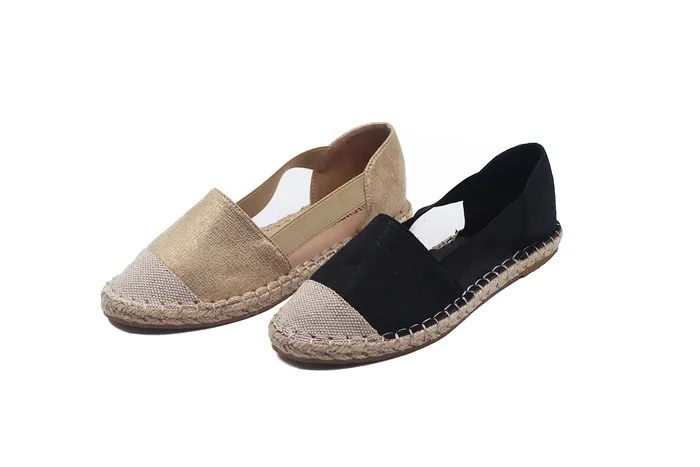
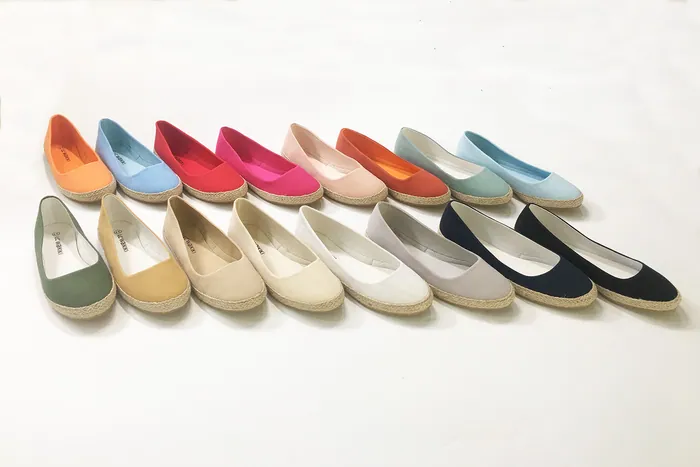
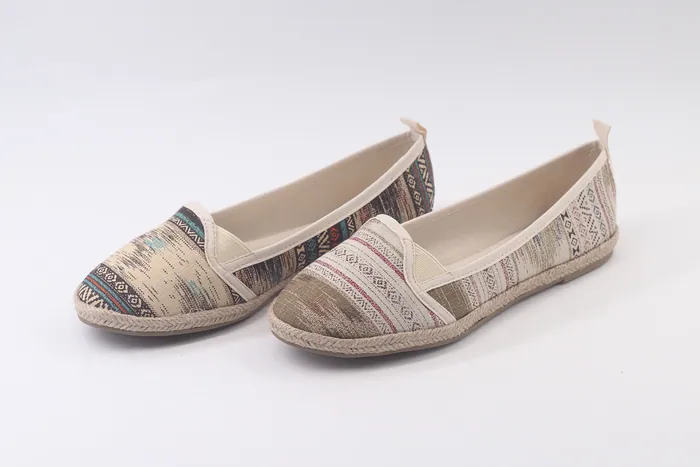
Textile, Canvas & Tweed Shoes
Textile uppers carry print, texture and a lower landed cost — and they are the fastest way to give a range a summer story or a heritage autumn one.
This collection gathers everything in the library with a woven or knitted upper: canvas, tweed, jacquard, knit, corduroy, velvet, denim and printed fabric. They are grouped here because they share a set of sourcing problems that PU and microfiber do not have.
Those problems are all solvable, but only if they are raised before the sample is made rather than after the bulk order is packed.
40 styles in this collection, showing the first 15. Ask for the complete list.
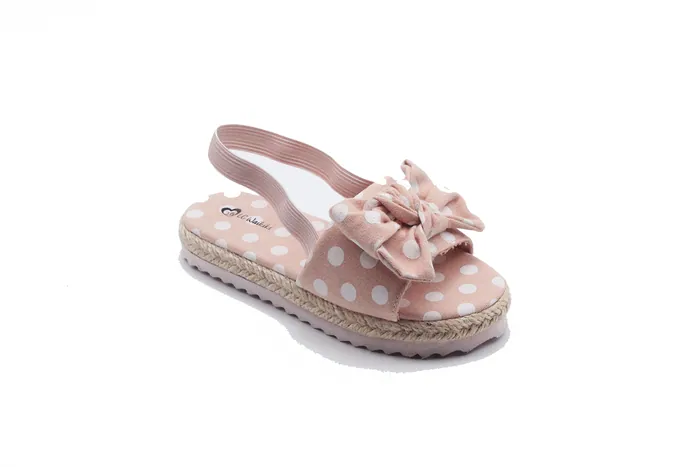
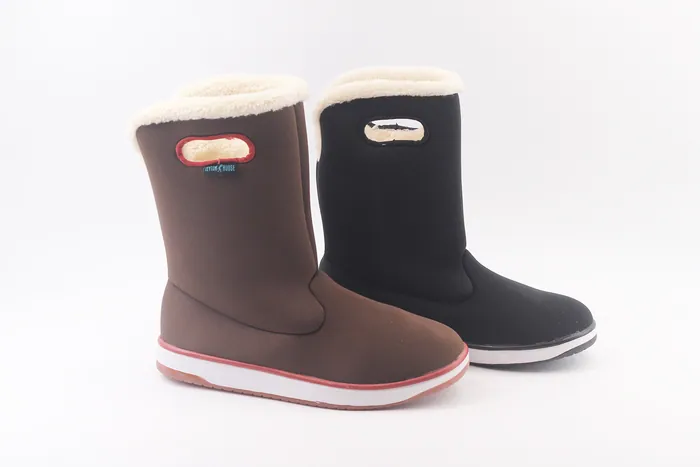
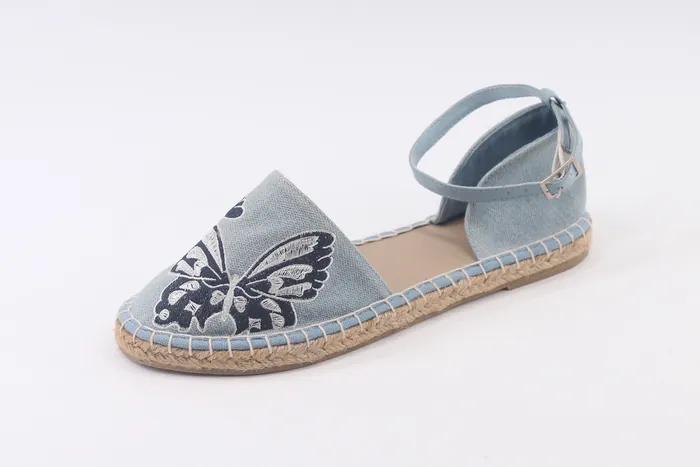
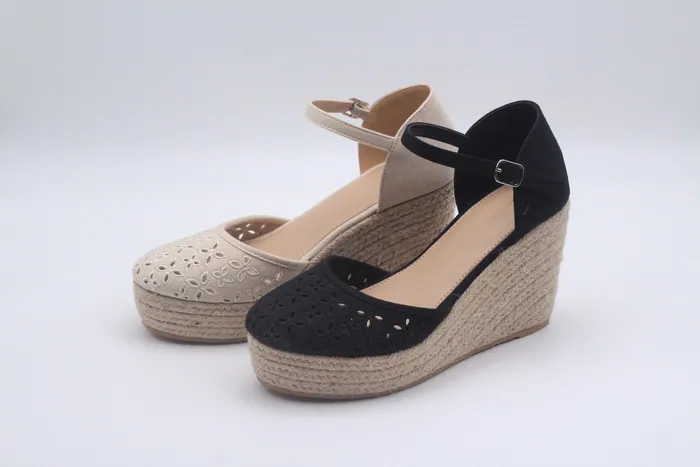
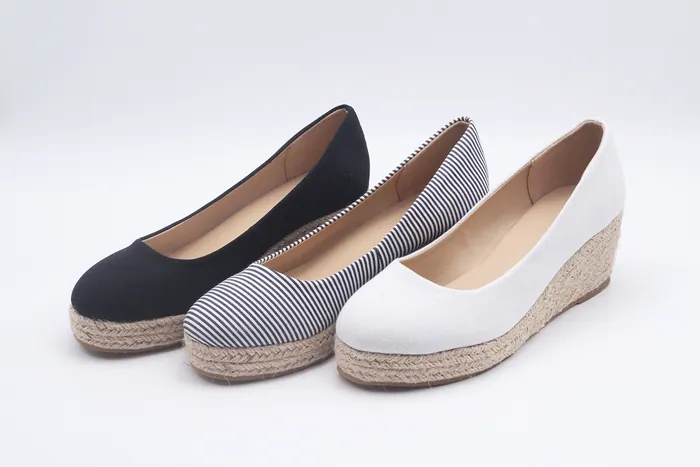
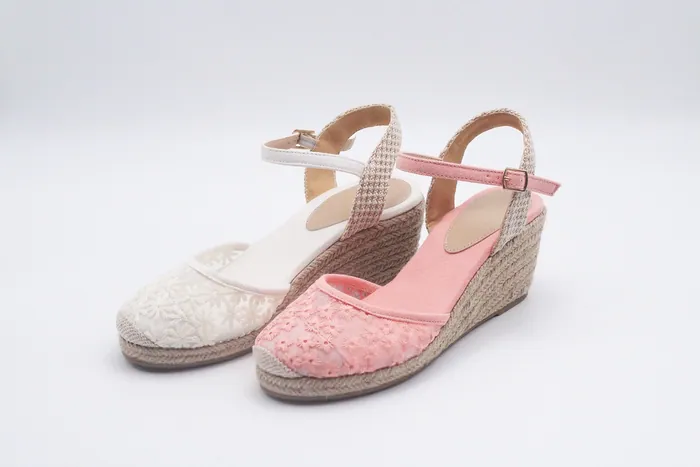
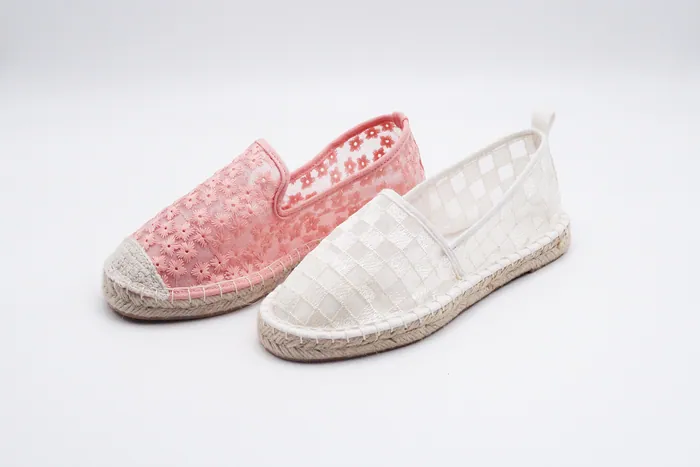
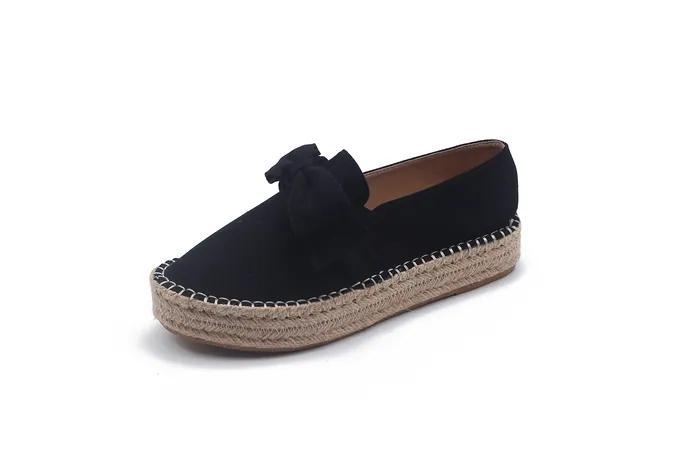
The fabrics, and what each is for
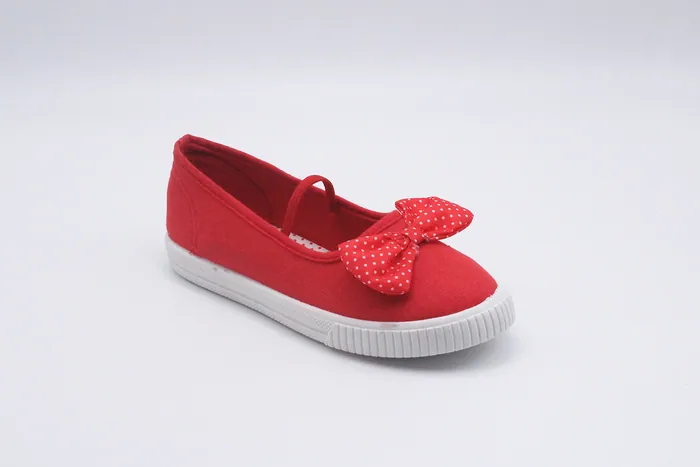
Canvas is the workhorse: cheap, strong, holds a print, and reads as casual. Tweed is the opposite — a deliberate autumn/winter signal that lets you charge more for the same last. Jacquard gives you a woven pattern without printing, which some buyers prefer because the pattern cannot crack or fade off.
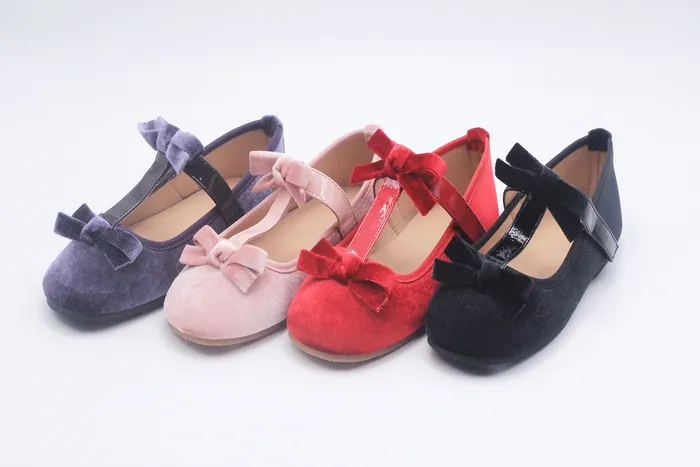
Knit and jersey are for comfort stories: they stretch with the foot and need almost no breaking in. Corduroy and velvet are texture plays for the fourth quarter. Printed fabric is the cheapest route to a trend colour or a licensed-looking pattern.
Print is a minimum-quantity question
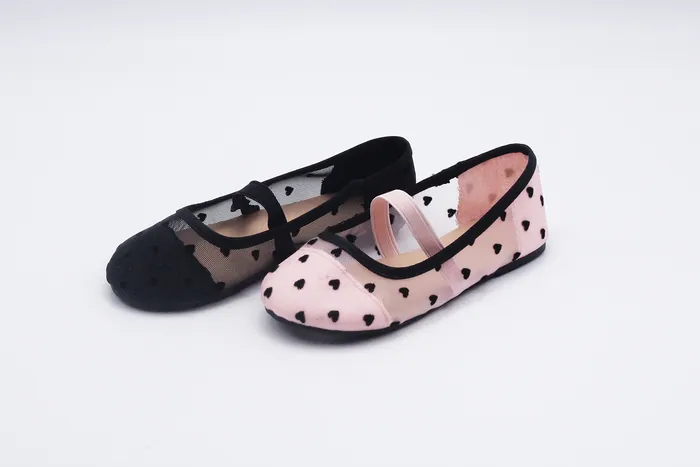
Every print has a setup cost, so print runs are quoted per design and per colourway. Two colourways of the same artwork are two print runs. If you want a range of six styles in one print, that is usually cheaper per pair than six styles in six prints.
Send artwork as a repeat-ready file with the intended repeat size, and tell us the substrate. The same file printed on canvas and on a fine twill will not look the same, and a repeat that reads at 30 cm will look busy at 8 cm.
Construction points that decide the returns rate
A textile upper needs a lining, a toe puff and a back counter, or the shoe collapses. It also needs its cut edges finished — binding, a rolled seam or a clean turned edge — because a raw woven edge will fray in wear and look like a defect.
Shrinkage is the quiet one. Fabric shrinks when it is lasted and steamed, and a panel cut to a pattern that ignores shrinkage will pull the top-line out of shape. We allow for it in the pattern; if you are supplying your own fabric, tell us and we will test a piece first.
Performance and labelling
The tests that matter for a textile upper are colour fastness to rubbing (wet and dry), colour fastness to light, and pilling on knits. A dark canvas that crocks onto a white sock is a return, and it is a return you can avoid by specifying the fastness requirement up front.
Water spotting is worth a thought too. Most of these fabrics spot when rained on and dry with a tide mark. If your market is wet, either specify a treatment or accept that the care label has to say so.
Ordering notes
Specification & terms
| Upper | Canvas, tweed, jacquard, knit, corduroy, velvet, denim, printed fabric |
|---|---|
| Lining | Textile, to your specification |
| Outsole | TPR or rubber; jute on espadrille constructions |
| Size range | EU 36–42 women's as standard, other sizes to order |
| Matched to your artwork; repeat size confirmed on the sample | |
| Packing | Your labels, hang tags, polybags, barcodes and cartons |
| MOQ | Quoted per style and per colour. Trial quantities are available for stock constructions — ask us for the exact minimum on the styles you are considering. |
| Sampling | Sample lead time and cost are confirmed with your quotation. Sample cost is normally credited against a confirmed bulk order. |
| Lead time | Confirmed on the order acknowledgement, after sample approval and deposit. Peak season and Chinese New Year need earlier booking. |
| Port | Ningbo / Shanghai, China |
What to send us
Style codes, quantities per style and colour, your market, your target retail price and the date you need the goods. If you are matching a material, send a swatch or a close-up photograph.
Next step
Send us your print or your fabric
Send the artwork or a fabric swatch and tell us the styles you want it on. We will come back with print minimums, sample timing and the construction we recommend.