
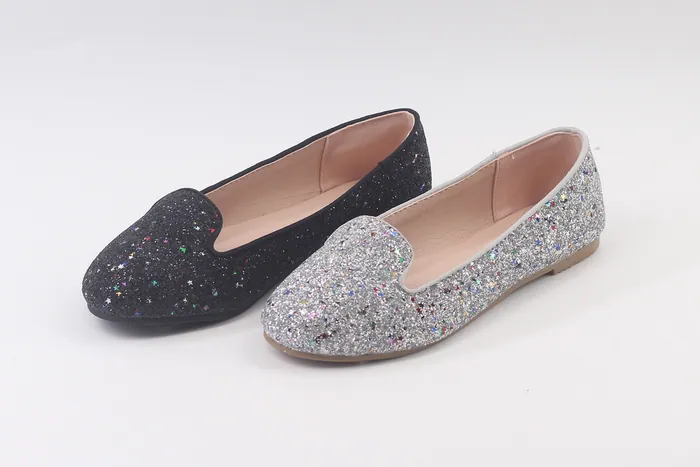
Shop by construction
Flats & Slip-Ons
Flats are the lowest-risk way into a footwear range and the hardest to get right. There is nowhere to hide in a flat: the last either fits or it does not.
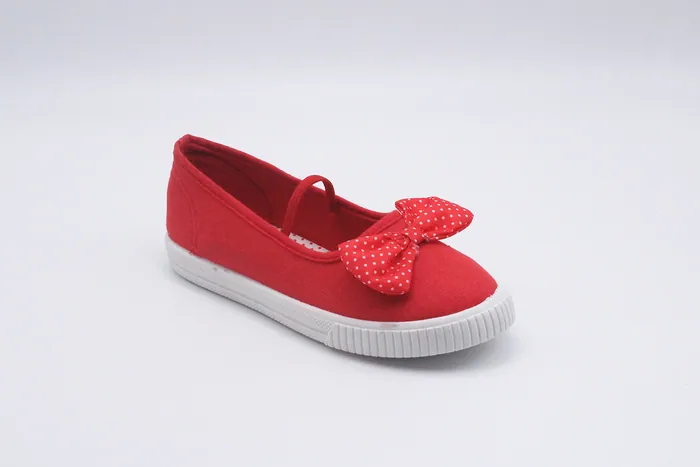
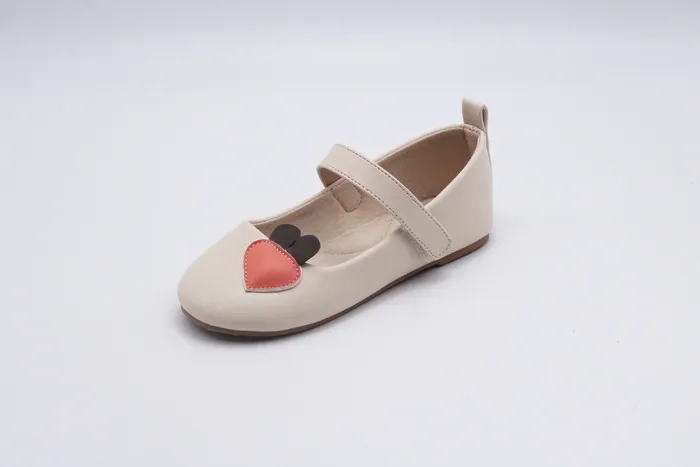
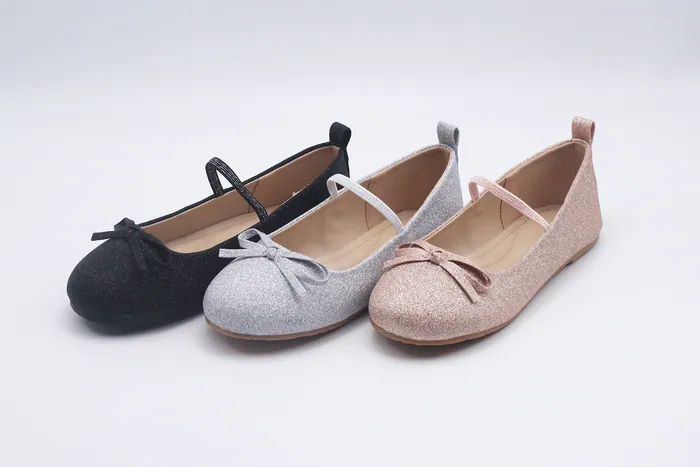
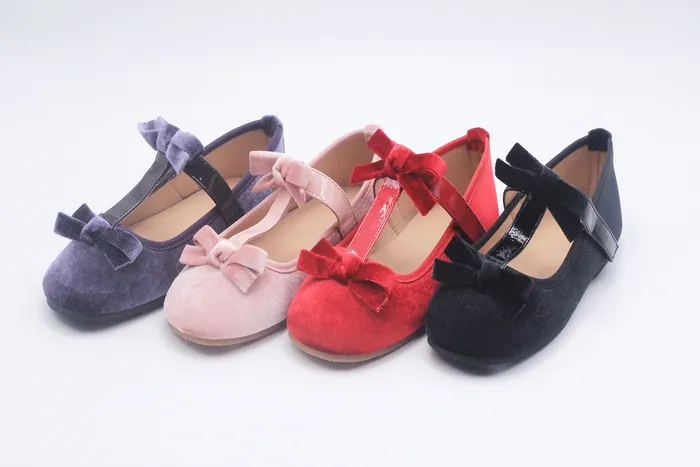
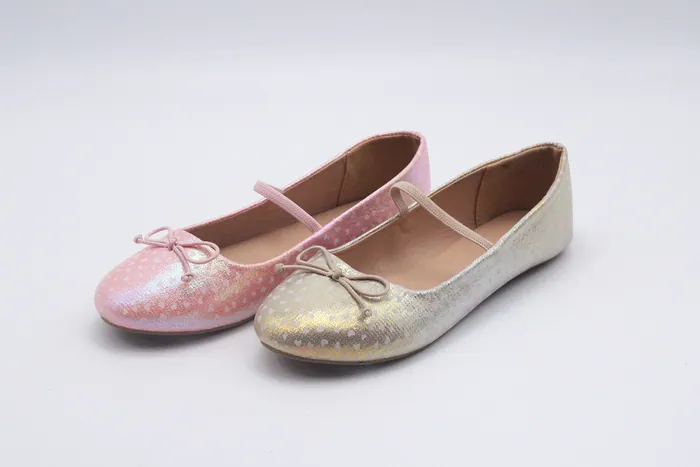
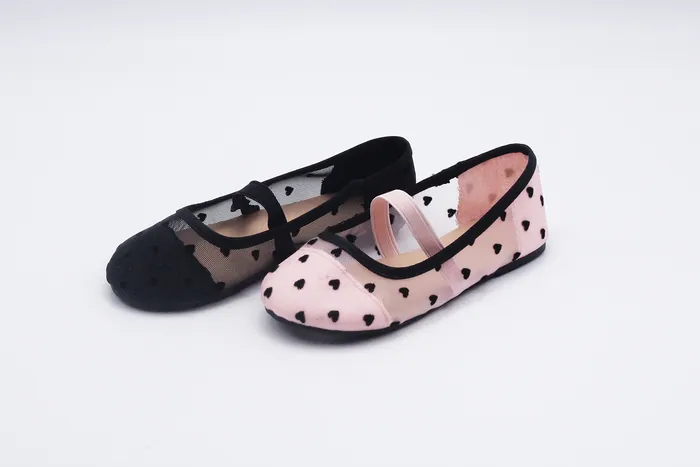
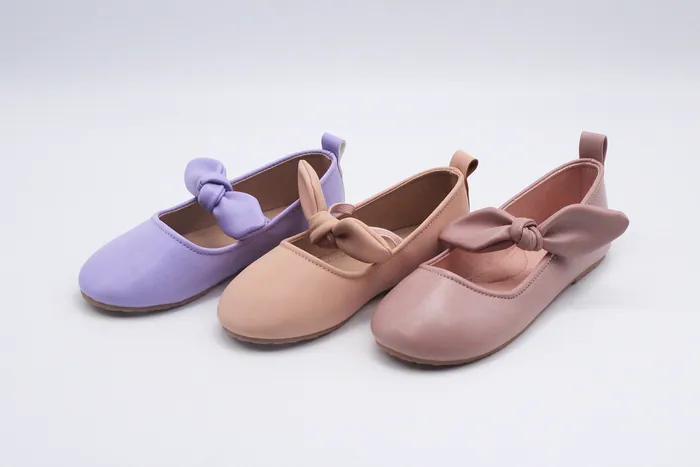
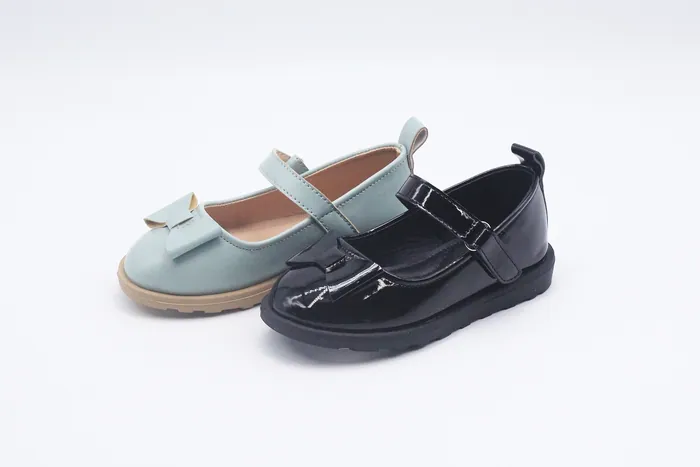
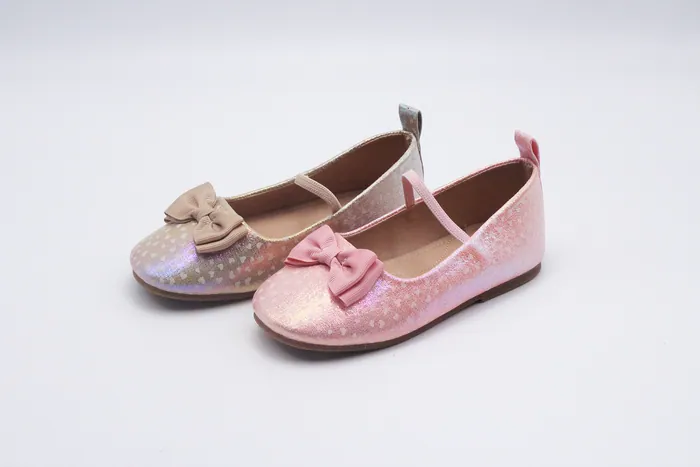
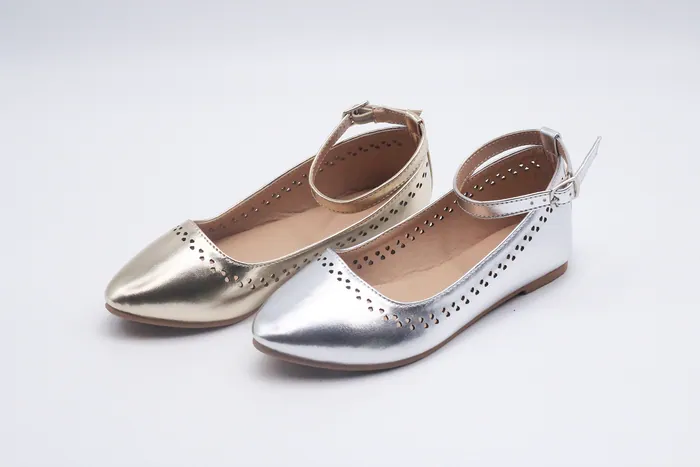
Ballet flats, ballerinas, slip-ons and loafers — the flat, closed-toe, no-fastening end of the library. It is the largest single group of styles we hold, and the one most buyers start with.
The notes below are about fit and construction, because in this category those two things are the product. A beautiful flat that slips at the heel does not sell twice.
56 styles in this collection, showing the first 15. Ask for the complete list.
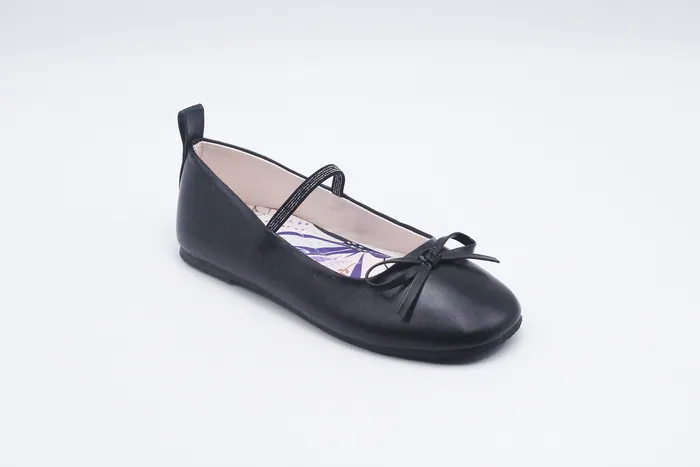
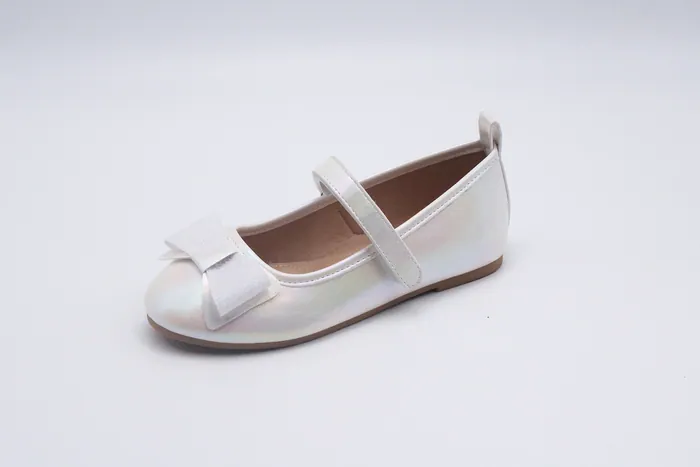
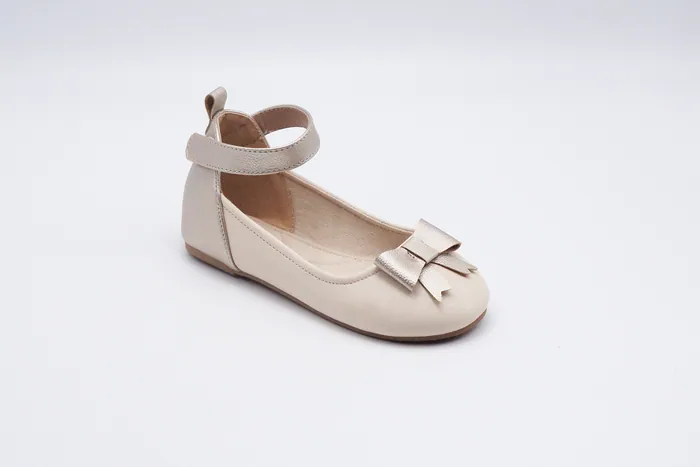
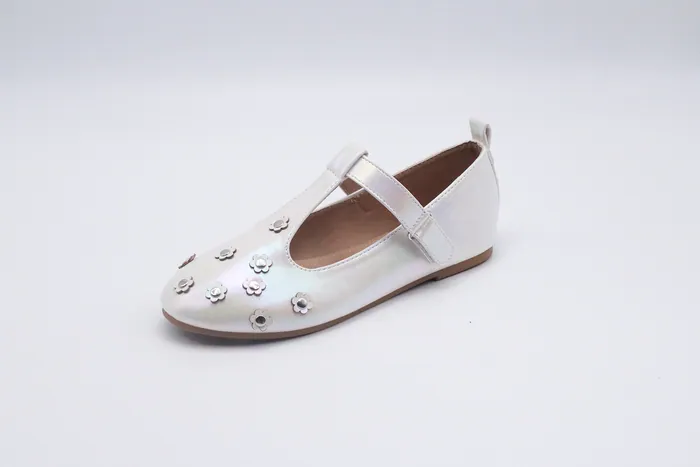
Why fit is the whole product
A heeled shoe holds the foot with the heel cup and the ankle strap. A flat has neither, so it holds the foot with the last shape alone: the curve of the topline, the depth of the toe box, and the amount of grip the heel counter provides.
That is why two flats that look identical in a photograph can sell completely differently. The difference is a few millimetres in the last, and it is invisible until someone walks in them.
The four failures to check on a sample
Heel slip. Walk ten steps. If the heel lifts out of the shoe, the heel counter is too shallow or too wide, and no amount of padding fixes it properly.
Top-line cutting. The edge of the shoe pressing into the instep. Usually a last problem or a pattern that has been graded without adjusting the topline curve.
Shallow toe box. The toes touch the top of the shoe. Common on pointed toes, and it is why pointed flats should be tried on by someone with the widest foot in your size range.
Sole edge showing. The outsole visible from the side above the upper. A lasting or sole-attachment problem, and it reads as cheap from three metres away.
What to specify
The last reference, or a sample shoe you are matching. Lining material. Insole board and whether there is any cushioning. Outsole bond. And whether the topline is plain or elasticated — elasticated hides a slightly loose fit, which is why it is common on volume styles.
If you have a fit standard from a previous supplier, send it. A last is a physical object and we can work to measurements, but only if we know what they are.
Why it suits a first order
Fewer components, fewer things to go wrong, and a lower unit cost than a heeled style. A flat lets a new buyer test a supplier's fit, finishing and packing without committing to a complicated construction.
It is also the category where a small trial order teaches you the most: if the fit is right and the finishing is clean, the same partner can be trusted with a heel.
Ordering notes
Specification & terms
| Construction | Cemented flat, slip-on; elasticated or plain top-line |
|---|---|
| Upper | PU, patent PU, microfiber, textile, tweed or velvet |
| Lining | Textile or PU |
| Outsole | TPR as standard; rubber on request |
| Size range | EU 36–42 women's as standard, other sizes to order |
| Packing | Your labels, hang tags, polybags, barcodes and cartons |
| MOQ | Quoted per style and per colour. Trial quantities are available for stock constructions — ask us for the exact minimum on the styles you are considering. |
| Sampling | Sample lead time and cost are confirmed with your quotation. Sample cost is normally credited against a confirmed bulk order. |
| Lead time | Confirmed on the order acknowledgement, after sample approval and deposit. Peak season and Chinese New Year need earlier booking. |
| Port | Ningbo / Shanghai, China |
What to send us
Style codes, quantities per style and colour, your market, your target retail price and the date you need the goods. If you are matching a material, send a swatch or a close-up photograph.
Next step
Send us a flat you already sell
Send the shoe or its measurements. We will tell you whether we can match the fit and what it would take to improve it.