
Shop by material
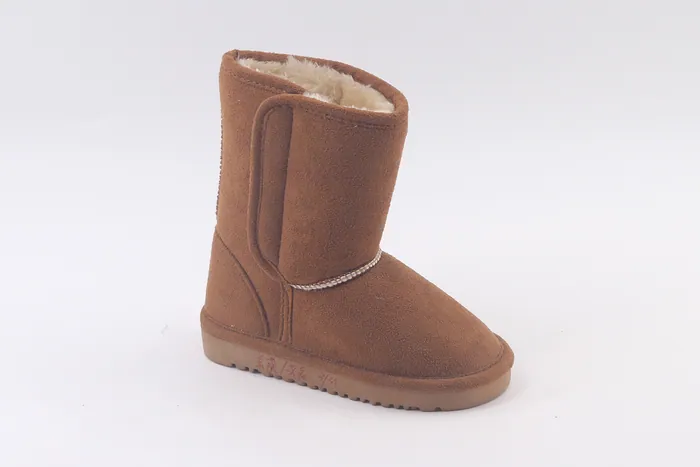
Microfiber Shoes
Microfiber sits between coated PU and genuine suede in both hand-feel and price. It is where most buyers land when they want a soft upper without a leather cost.
Microfiber is a non-woven microfibre base impregnated with a polyurethane resin. The result looks and feels closer to suede than to coated PU, weighs less, and drapes rather than holds a shape — which is why it turns up so often on ballerinas and on boots that need to soften at the ankle.
It is also the material most often mis-described in buyer enquiries, so the notes below are about telling the variants apart before you price a range.
35 styles in this collection, showing the first 15. Ask for the complete list.
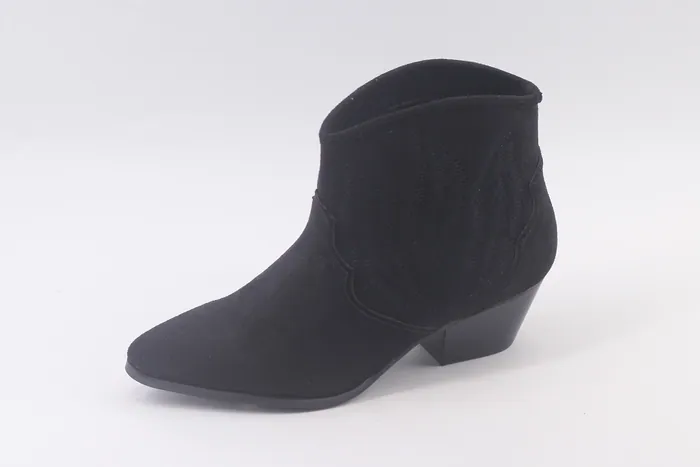
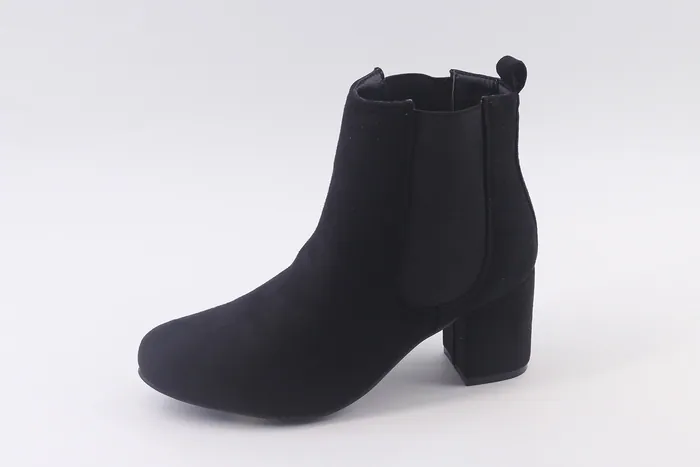
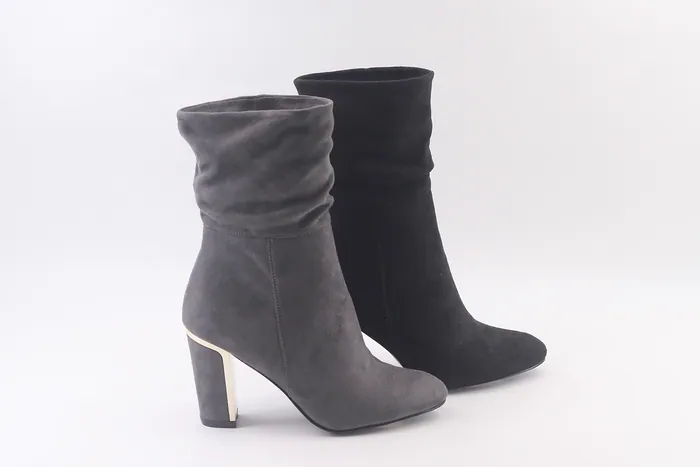
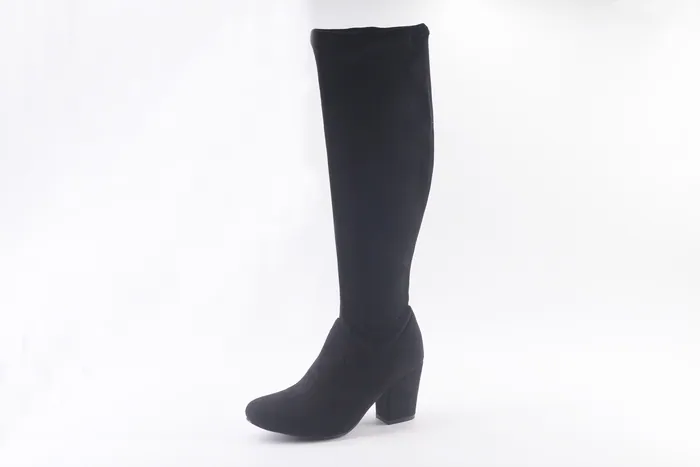
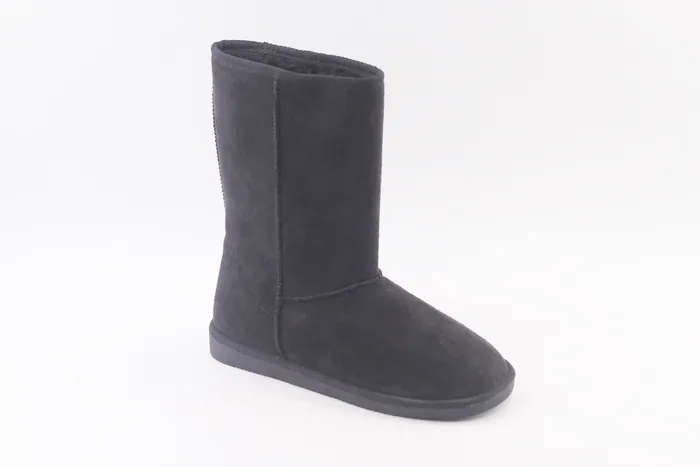
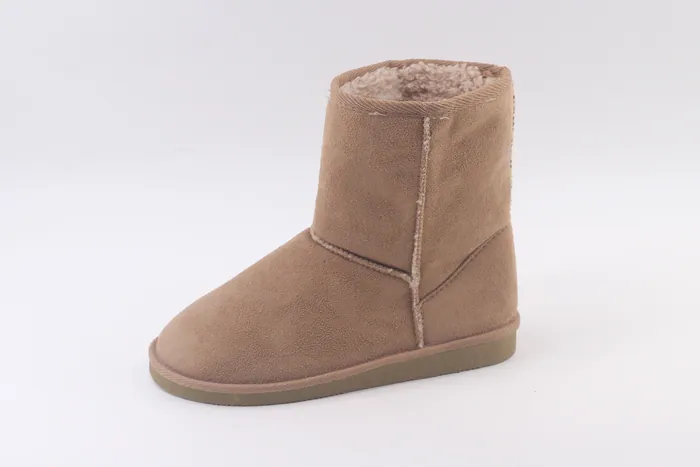
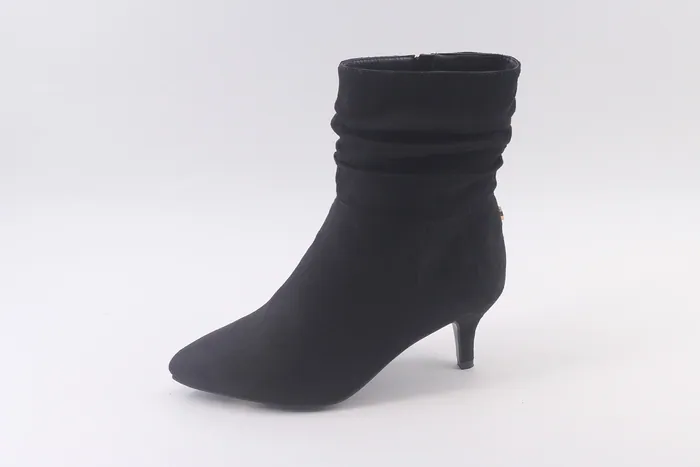
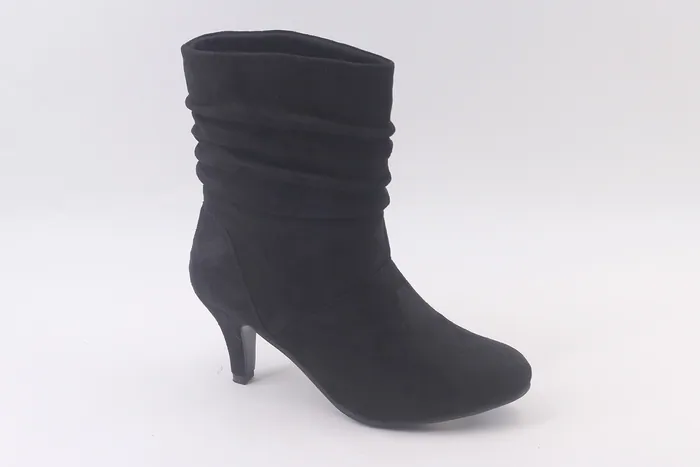
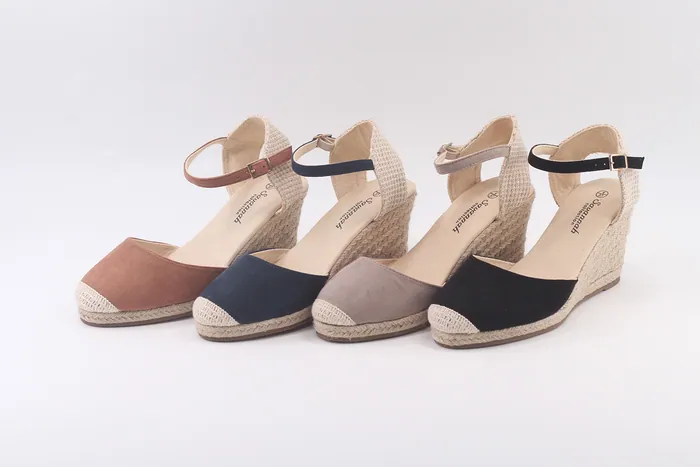
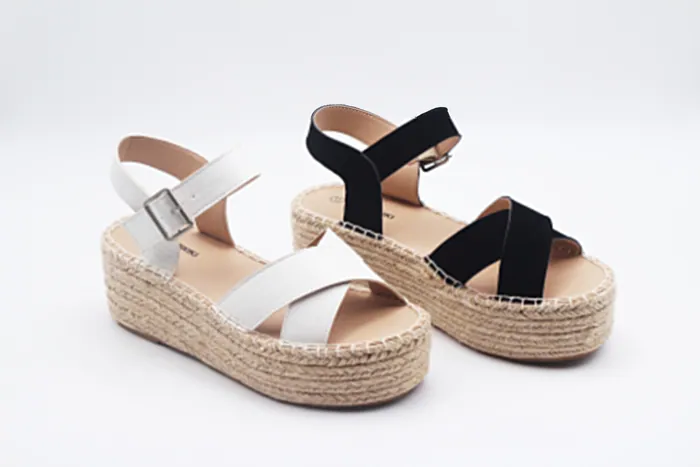
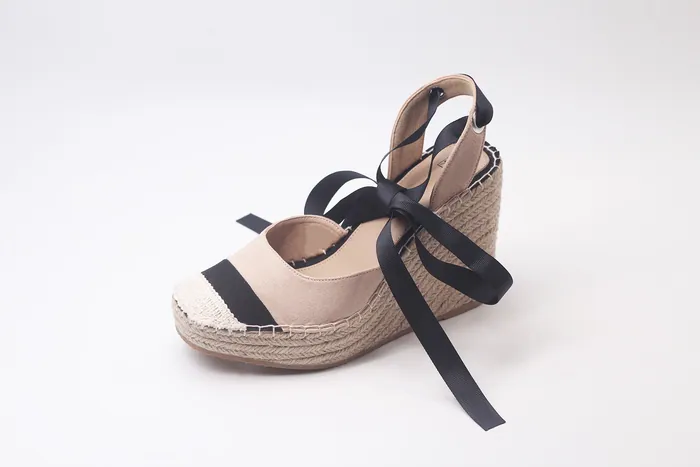
What microfiber is, in one paragraph
It is not leather and it is not coated PU. It is a dense non-woven web of very fine fibres, filled with a resin so it holds together and takes colour. Because the surface is a mat of fibres rather than a film, light scatters across it the way it does on suede — that is the soft, slightly dusty look buyers respond to.
Ask for the thickness and the finish in writing. "Microfiber" alone can mean a 0.8 mm smooth sheet or a 1.4 mm suede-touch material, and the two behave nothing alike on a boot.
Why it suits flats and boots
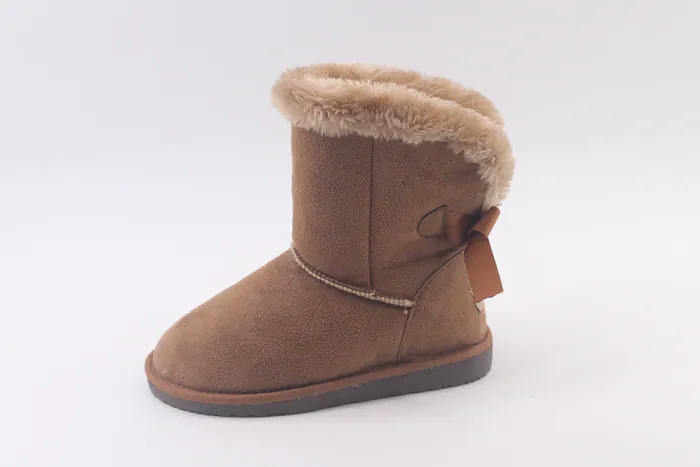
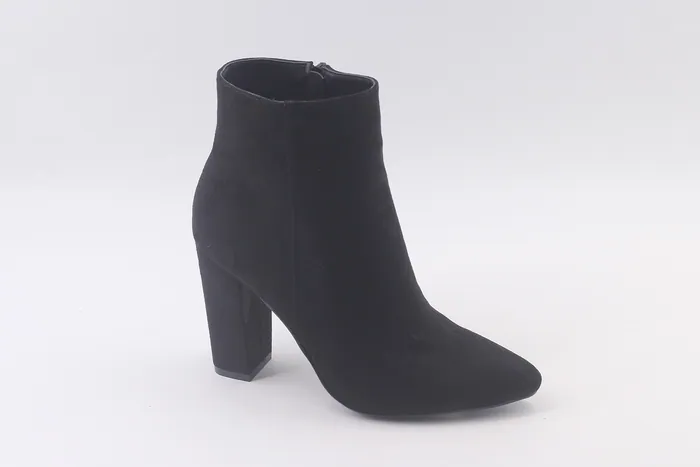
On a flat, microfiber drapes over the last instead of fighting it, so the top-line sits closer to the foot and the shoe looks less like a moulded product. On a boot, it softens at the ankle as it is worn, which is what stops the shaft from cutting in.
It also takes decoration well. Embroidery, laser cutting and printed panels all sit cleanly on microfiber because there is no grain to fight, and the material does not fray at a cut edge the way a woven textile does.
Where it disappoints
Scuffs. A suede-touch microfiber marks more readily than smooth PU, and once marked it is hard to bring back without a brush and a care product. If your customer expects to wipe a shoe clean with a damp cloth, this is the wrong material.
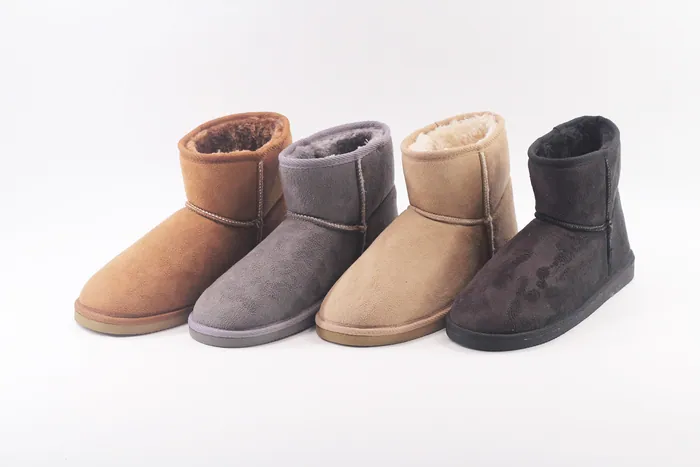
Colour depth is the other limit. Very dark shades — black, navy, deep burgundy — can read slightly flat compared with a coated PU, and the nap direction shows as a light-and-dark difference across a panel if the cutting is not planned around it.
What to specify
Thickness, suede-touch or smooth, the colour reference, and colour fastness to rubbing — the last one matters most on dark shades against a light lining, and on any style where the upper will rub against itself at the heel.
If the style carries embroidery or print, say so at the quoting stage. The material needs a different backing to hold a dense stitch pattern without puckering.
Ordering notes
Specification & terms
| Upper | Microfiber, suede-touch or smooth finish |
|---|---|
| Lining | Textile or microfiber |
| Outsole | TPR as standard, rubber on request |
| Size range | EU 36–42 women's as standard, other sizes to order |
| Finish | Suede-touch (nap) or smooth, to your reference |
| Packing | Your labels, hang tags, polybags, barcodes and cartons |
| MOQ | Quoted per style and per colour. Trial quantities are available for stock constructions — ask us for the exact minimum on the styles you are considering. |
| Sampling | Sample lead time and cost are confirmed with your quotation. Sample cost is normally credited against a confirmed bulk order. |
| Lead time | Confirmed on the order acknowledgement, after sample approval and deposit. Peak season and Chinese New Year need earlier booking. |
| Port | Ningbo / Shanghai, China |
What to send us
Style codes, quantities per style and colour, your market, your target retail price and the date you need the goods. If you are matching a material, send a swatch or a close-up photograph.
Next step
Ask for microfiber swatches
Tell us the style and the price point. We will send the microfiber options that fit, with the thickness and finish named so you can compare like for like.